

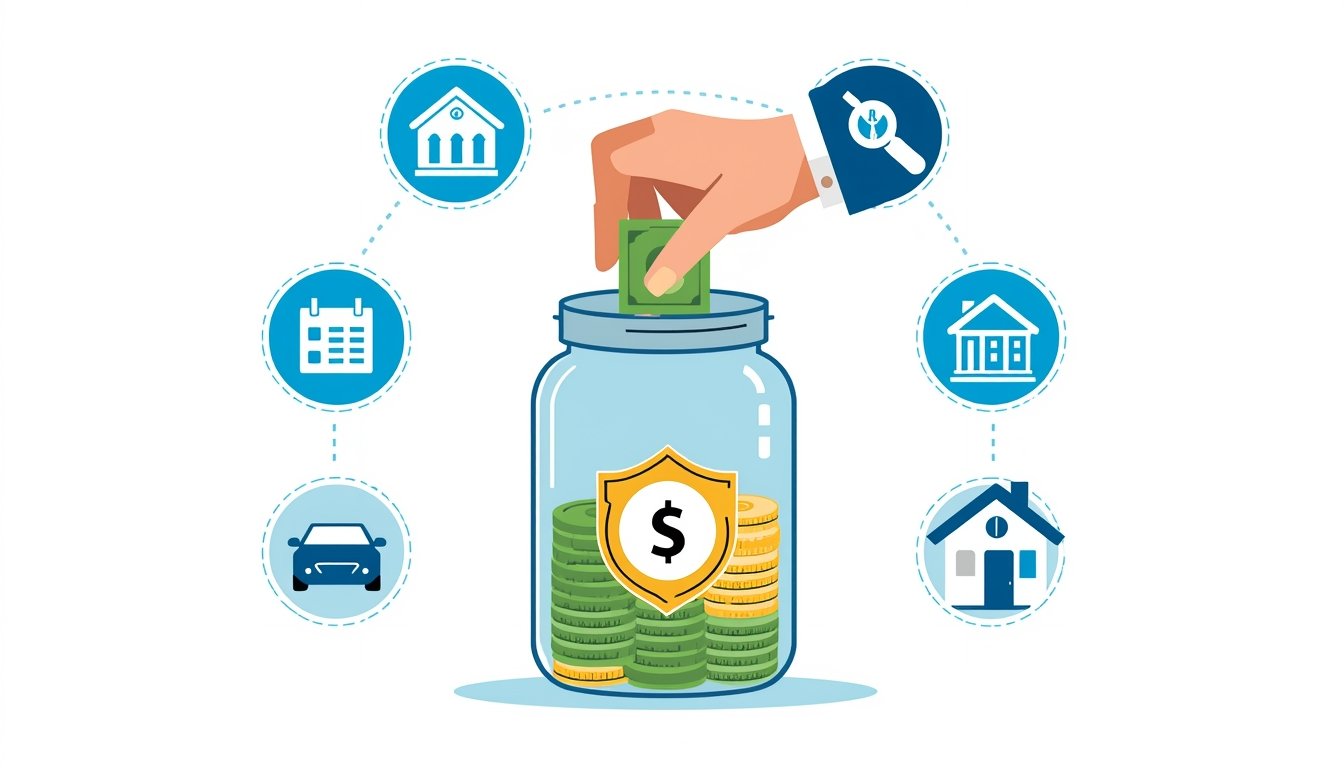
Life is full of surprises. Job loss, medical bills, car repairs, or sudden travel can happen anytime. An emergency fund is your safety net that protects you from financial stress. In 2026, having a proper strategy is more important than ever. This guide will help you understand how much money you really need and how to build your emergency fund step by step.
What Is an Emergency Fund?
An emergency fund is money set aside for unexpected expenses. It’s not for vacations, shopping, or daily bills — it’s strictly for emergencies.
Why it’s important:
- Avoid debt when unexpected costs arise
- Reduce stress and anxiety
- Provide financial stability and peace of mind
Example: If your car breaks down and costs $1,500 to repair, your emergency fund should cover this without needing credit cards or loans.
How Much Money Do You Really Need in 2026?
The right amount depends on your lifestyle, income, and financial responsibilities. Experts usually recommend 3 to 6 months of living expenses, but in 2026, many suggest preparing up to 12 months due to economic uncertainties.
Step 1: Calculate Monthly Expenses
Include essentials like:
- Rent or mortgage
- Utilities (electricity, water, internet)
- Groceries
- Insurance (health, home, car)
- Loan payments and transportation costs
- Medical or emergency expenses
Example:
Monthly essentials = $3,000
3 months = $9,000
6 months = $18,000
12 months = $36,000
Step 2: Adjust for Your Job Stability
- Stable employment: 3–6 months may be enough
- Freelancers or high-risk jobs: 6–12 months recommended
Tips to Build Your Emergency Fund in 2026
1. Start Small and Be Consistent
Even $50 or $100 per month adds up over time. Consistency matters more than speed.
Example: Saving $200 per month for 12 months = $2,400
2. Use a Separate Savings Account
Keep your emergency fund in a high-yield savings account. This makes it less tempting to spend and helps your money grow.
3. Automate Your Savings
Set up automatic transfers from your checking to savings every payday. Automation ensures you don’t forget or skip deposits.
4. Cut Unnecessary Expenses
Review your budget and reduce non-essential spending. Every extra dollar can grow your emergency fund faster.
5. Use Windfalls Wisely
Bonuses, tax refunds, or gifts can boost your emergency fund. Allocate at least part of these windfalls directly to your fund.
6. Avoid Using Credit Cards
Your emergency fund should prevent debt. Only use it for true emergencies, not for wants or convenience.
When to Use Your Emergency Fund
Use it for unexpected, unavoidable expenses such as:
- Medical emergencies
- Job loss or reduced income
- Urgent home or car repairs
- Essential travel for family emergencies
Avoid using it for:
- Vacations or leisure activities
- Everyday spending
- Impulse purchases
How to Maintain Your Emergency Fund in 2026
- Review your expenses annually and adjust your fund accordingly.
- Replenish it immediately if you use any money.
- Consider inflation: your fund should grow to keep up with rising costs.
Example: If inflation rises 5% per year and your fund is $18,000, aim to save $18,900 the next year.
Conclusion
Having an emergency fund is a financial lifesaver in 2026. Start by calculating 3–12 months of living expenses, save consistently, and protect it in a separate account. With discipline and strategy, your emergency fund can give you peace of mind and financial security against life’s unexpected events.
Start today — even small contributions grow over time and make a big difference in the long run.
